

What to Know Before You Replace Your Floors: A Homeowner’s Checklist
 By Levis4FloorsOH | April 28, 2026
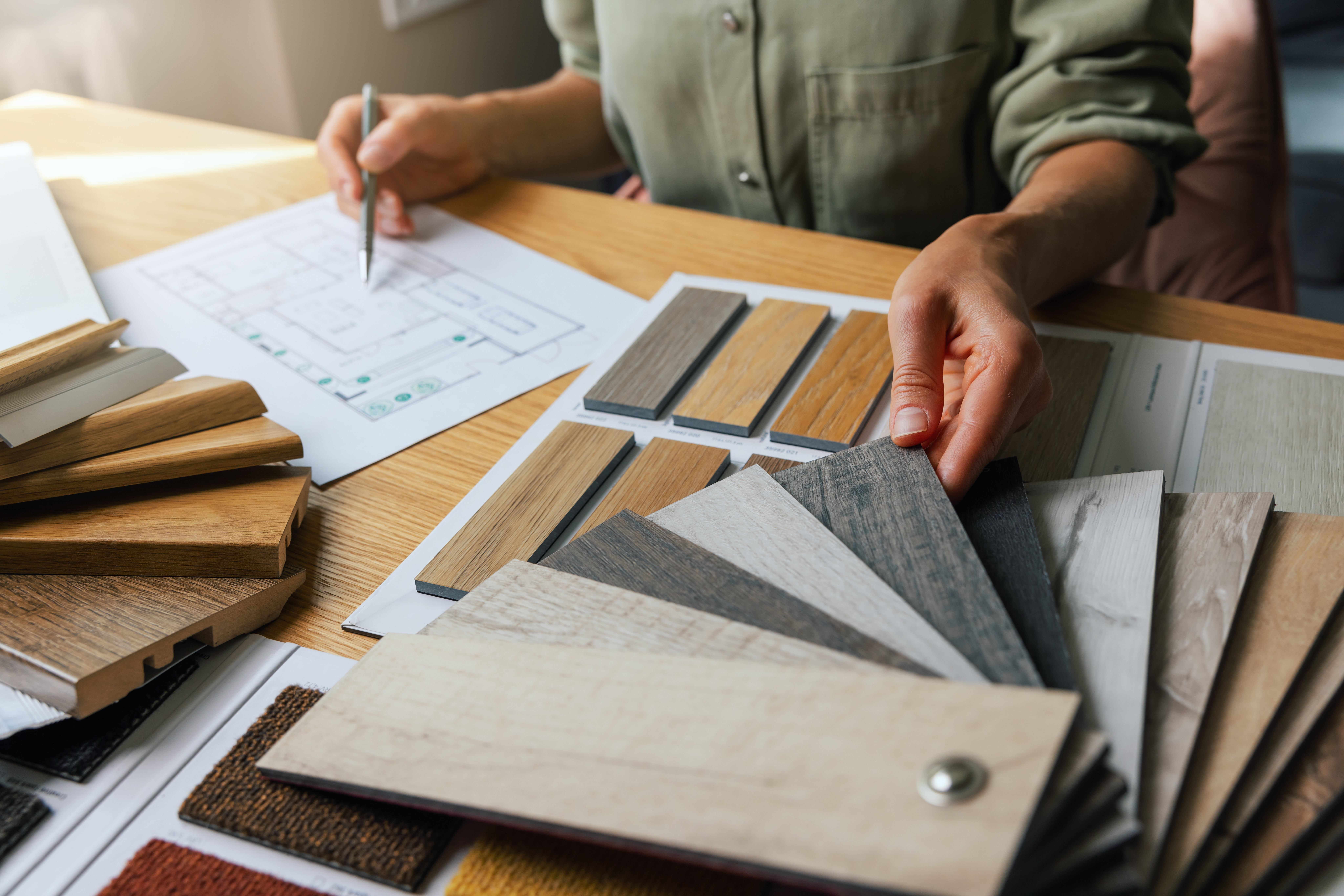
Replacing your floors is one of the most impactful upgrades you can make to your home. It can completely transform the look and feel of a space, improve functionality, and even increase overall property value. But while new flooring is exciting, the process behind it requires thoughtful planning to ensure you make the right decisions from the start.
Before you dive into samples and schedules, it’s important to understand what goes into a successful flooring replacement. This homeowner’s checklist will guide you through everything you need to consider so your investment delivers the results you’re looking for.
Start with Your “Why”
Before choosing materials or colors, take a step back and define your goals.
Are you replacing worn-out flooring? Updating your home’s style? Preparing to sell? Or simply looking for something more durable for everyday life?
Your reason for replacing your floors should guide every decision that follows. For example:
- If durability is your top priority, materials like luxury vinyl plank or tile may be the best fit.
- If comfort is key, carpet might be the better choice for certain rooms.
- If resale value matters, neutral tones and widely appealing styles often perform best.
Getting clear on your “why” helps narrow your options and prevents decision fatigue later on.
Evaluate Your Lifestyle
Flooring is not just about appearance. It needs to support how you actually live in your home.
Consider the following:
- Do you have pets that could scratch surfaces?
- Are there young children who bring spills, toys, and constant activity?
- Do you entertain often?
- Is your home a shoes-on or shoes-off environment?
High-traffic households benefit from durable, low-maintenance materials, while quieter homes may have more flexibility in design choices.
Choosing flooring that matches your lifestyle ensures it continues to look great long after installation.
Understand Your Space Room by Room
Not all flooring works in every room. Moisture levels, foot traffic, and usage vary throughout your home.
Here’s a quick breakdown:
- Kitchens and bathrooms: Require water-resistant or waterproof materials like tile or luxury vinyl.
- Living areas: Offer more flexibility, from hardwood to carpet to vinyl.
- Bedrooms: Often prioritize comfort, making carpet a popular choice.
- Entryways and hallways: Need highly durable materials that can handle dirt and heavy use.
Thinking about each room individually helps you avoid costly mistakes and ensures long-term performance.
Set a Realistic Budget
Flooring costs go beyond just the material. A complete budget should include:
- Product cost
- Removal of existing flooring
- Subfloor preparation or repairs
- Installation labor
- Trim, transitions, and finishing details
It’s also wise to plan for a small contingency in case unexpected issues arise once the old flooring is removed.
Setting a clear budget upfront helps you stay on track and avoid surprises during the project.
Learn the Differences Between Flooring Types
With so many options available, it’s important to understand the strengths of each material.
Hardwood:
Timeless and adds value, but can be sensitive to moisture and scratches.
Luxury Vinyl Plank (LVP):
Durable, water-resistant, and cost-effective with a wide range of styles.
Laminate:
Affordable and scratch-resistant, though not always ideal for moisture-prone areas.
Tile:
Extremely durable and waterproof, great for kitchens and bathrooms, but can feel hard and cold.
Carpet:
Comfortable and quiet, ideal for bedrooms, though it requires more maintenance.
Each option has trade-offs, so aligning material choice with your priorities is key.
Consider Maintenance and Longevity
Think beyond installation and consider how much time and effort you want to spend maintaining your floors.
Ask yourself:
- Do you want something easy to clean and maintain?
- Are you willing to refinish or deep clean periodically?
- How long do you plan to stay in your home?
Low-maintenance options like vinyl and tile are ideal for busy households, while hardwood may require more upkeep but offers long-term value.
Choosing the right balance between maintenance and longevity ensures your floors remain a benefit, not a burden.
Don’t Overlook the Subfloor
What’s underneath your flooring matters just as much as what’s on top.
Subfloor issues such as uneven surfaces, moisture damage, or structural concerns can impact the final result. Addressing these problems before installation is critical for ensuring your new floors perform properly.
A professional inspection can identify any necessary repairs and help avoid problems down the road.
Think About Flow and Consistency
One of the biggest design considerations is how your flooring flows from room to room.
Using the same flooring throughout open areas can make your home feel larger and more cohesive. On the other hand, mixing materials strategically can help define spaces and add visual interest.
Key considerations include:
- Color consistency
- Transition points between rooms
- Direction of plank or tile installation
A thoughtful approach to flow can elevate the overall look of your home.
Order the Right Amount of Material
Accurate measurements are essential when ordering flooring.
Most projects require ordering extra material to account for:
- Cuts and waste
- Pattern matching
- Future repairs
A general rule is to order 10–15% more than the measured square footage, though more may be needed for complex layouts.
Having extra material on hand ensures a smoother installation process and helps with future maintenance if needed.
Plan for Installation Day
Flooring installation can be disruptive, so it’s important to prepare your home ahead of time.
Consider:
- Moving furniture out of the space
- Making arrangements for pets and children
- Planning for noise and limited access to certain areas
Depending on the scope of the project, you may need to adjust your daily routine temporarily.
Proper planning helps minimize stress and keeps the project on schedule.
Work with a Trusted Professional
While some homeowners consider DIY installation, working with experienced professionals can make a significant difference in the final outcome.
Professional installers bring:
- Expertise in handling different materials
- Knowledge of proper subfloor preparation
- Efficient and accurate installation techniques
They can also help guide you through the selection process and ensure your choices align with your goals and budget.
Choosing the right partner helps protect your investment and ensures your floors look and perform as expected.
Don’t Forget the Finishing Touches
Details matter when it comes to flooring.
Transitions, baseboards, and trim pieces help create a polished, complete look. These elements also serve functional purposes, such as covering expansion gaps and protecting edges.
Taking the time to plan these finishing touches ensures your new floors feel truly finished.
Final Thoughts
Replacing your floors is a major upgrade, but with the right planning, it can be a smooth and rewarding process.
By understanding your goals, evaluating your lifestyle, and considering every step from material selection to installation, you can make confident decisions that enhance both the beauty and functionality of your home.
If you’re ready to take the next step, visiting a showroom and exploring your options in person is a great place to start. Seeing materials up close and speaking with experts can help bring your vision to life and ensure you choose flooring that fits your home perfectly.
Your floors are the foundation of your space. Make sure they’re built to support your life, your style, and your future.